Durston X-Mid 2 Tent Review: Real-World Shakedown Test
Intro:
First off, I’m not sponsored by anyone, so this review is just my honest assessment of a tent I paid full price for. Given the hype in the community, I wanted to review it from the perspective of an older person with older-person-type needs. That said, if you are getting back into backpacking or trying to lighten your load without turning every gear decision into a spreadsheet contest, your shelter is one of the biggest places to make a meaningful improvement. A tent affects pack weight, camp comfort, sleep quality, setup stress, condensation management, and how confident you feel when the weather turns.
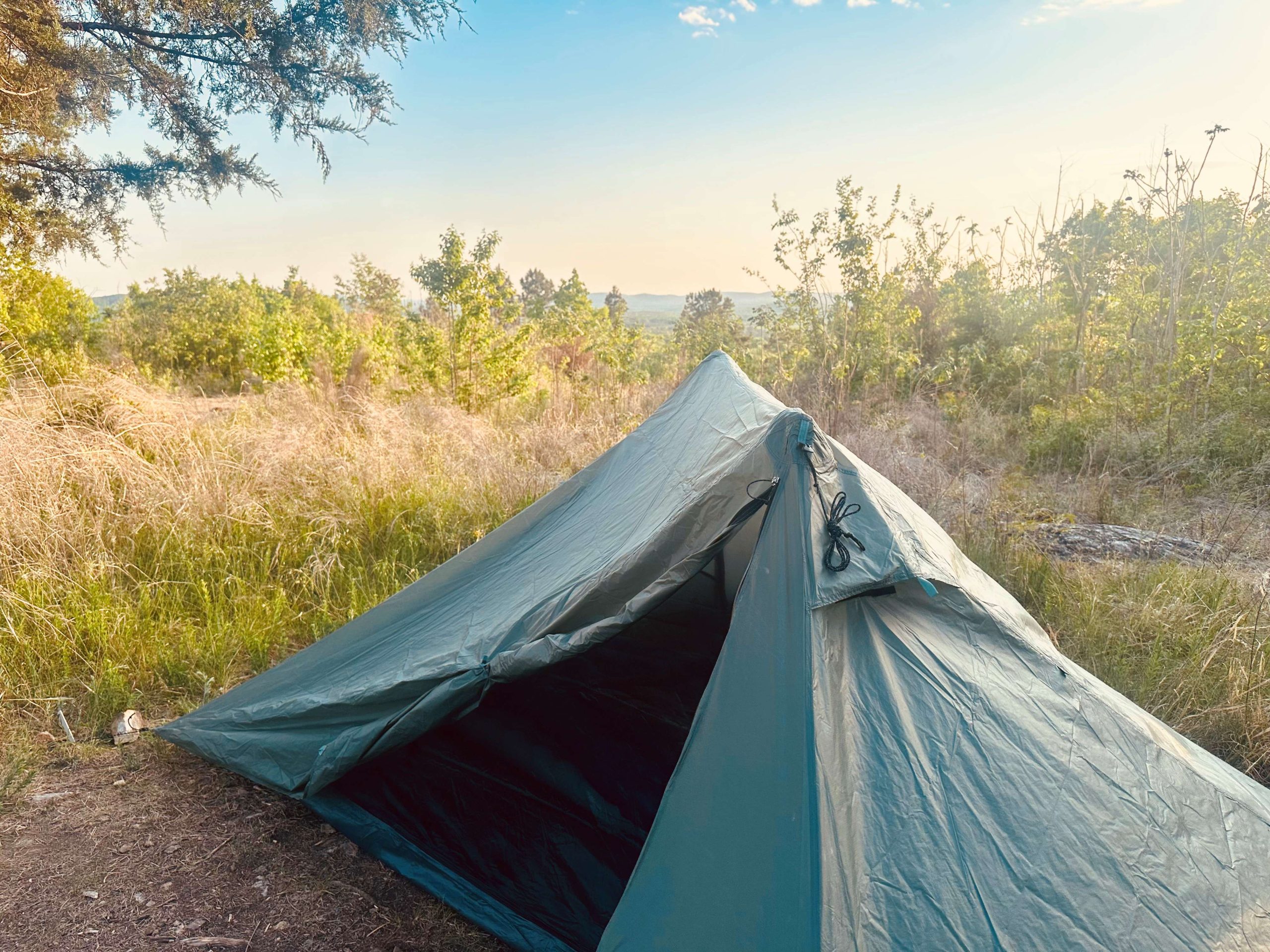
This Durston X-Mid 2 review comes from a real shakedown trip, not a backyard pitch and not a spec-sheet-only breakdown. That matters because gear is easy to love on paper and much harder to judge when you are tired, the ground is uneven, your campsite is not perfect, and you just want to get settled before dark.
The short version is this: the X-Mid 2 felt like a major upgrade over my previous shelter. It saved noticeable weight, gave me more room than I expected, and helped me get a genuinely good night’s sleep. But it is not a magic tent, and I would not recommend taking it straight out of the box and pitching it for the first time on a serious trip.
If you’re new, consider checking out our shakedown trip evaluation system, T.O.R.C., which is what we use to evaluate this and all the gear we take into the backcountry.
Why I Chose the Durston X-Mid 2
Before this trip, I had been using an ALPS Mountaineering Paragon 2, which came in around 55 ounces. It was not a bad tent. It did the job. But as I started rebuilding my backpacking system around smarter choices, that shelter weight became harder to ignore.
The goal was not to go full ultralight. I was not trying to jump straight into an expensive Dyneema shelter or a setup that felt too delicate for normal use. I wanted a practical weight reduction. Something lighter, but still livable. Something that would make sense for a backpacker who values sleep, recovery, weather protection, and long-term usability.
That is where the X-Mid 2 made sense. It offered a double-wall design, trekking-pole support, generous interior space, dual vestibules, and a packed weight that was dramatically lower than my old setup. Durston currently lists the complete X-Mid 2 at 31.3 ounces, with a typical setup of tent, sack, and six stakes at 34.3 ounces. In real-world terms, that puts it in the sweet spot where it feels meaningfully lighter without feeling like a fragile specialty shelter.
For the Backpacking Over 40 audience, that distinction matters. A lot of us are not chasing the absolute lightest option possible. We are trying to make better tradeoffs. We want less strain on our knees and backs, but we also want to sleep well and not hate camp.
That was my frame going into this review: not ultralight at all costs, but smart weight reduction with real comfort preserved.
Specs That Actually Matter
Tent specs can get overwhelming, so I want to focus on the numbers and design features that actually mattered during the trip.
- Weight: Durston lists the complete tent at 31.3 ounces and a typical setup at 34.3 ounces, including the tent, stuff sack, and six stakes. Compared with my previous roughly 55-ounce tent, that is a very noticeable pack-weight reduction.
- Double-wall design: The mesh inner and separate fly help reduce condensation-related stress compared with many single-wall ultralight shelters.
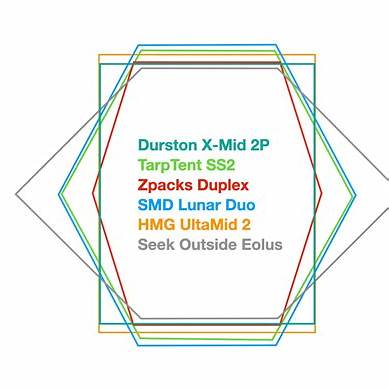
- Floor dimensions: Durston lists a 92-inch floor length and 52-inch width, which is important for taller hikers and anyone using wide sleeping pads.
- Floor area: The listed floor area is 33.2 square feet, which is generous for a lightweight two-person tent.
- Peak height: The listed 48-inch peak height gives the tent a roomier feel than many low-slung lightweight shelters.
- Dual vestibules: The two vestibules provide gear storage and make entry and exit easier, especially if two people are using the shelter.
- Trekking-pole pitch: The tent saves weight by using trekking poles instead of dedicated tent poles, but this also means your setup process matters more.
Those numbers support what I felt on the trail: the X-Mid 2 is not just light. It is light while still being livable. That is the combination I was looking for.
Space and Comfort: The Biggest Win
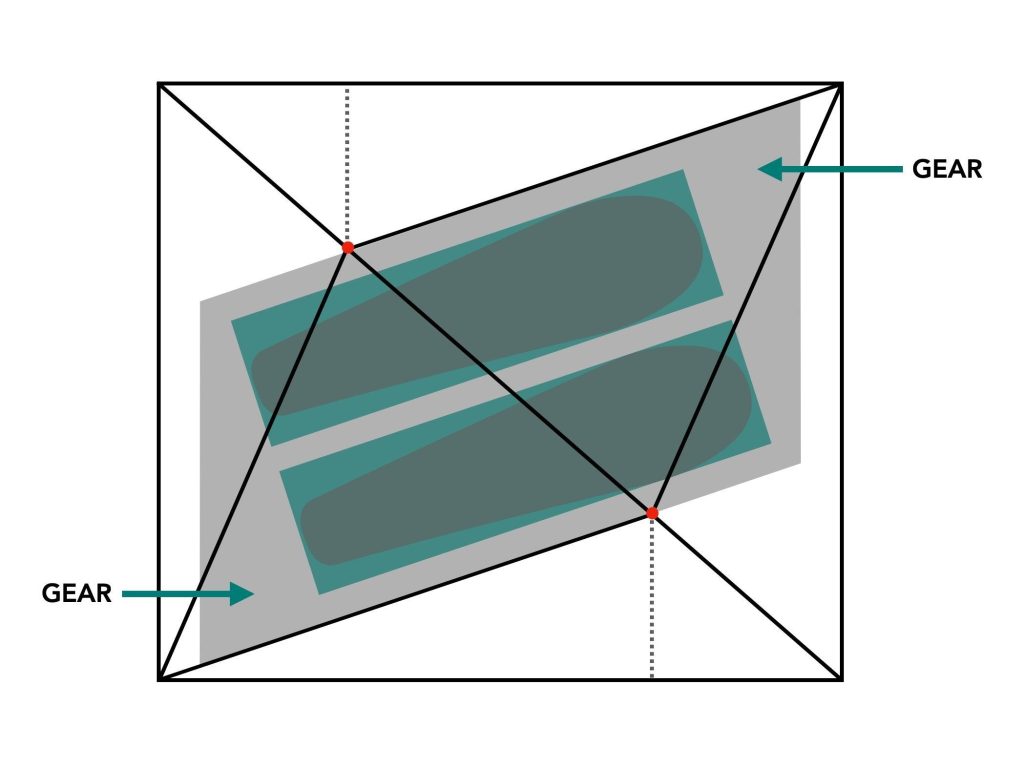
The X-Mid 2 shines when you get inside it. I am over six feet tall, broad-shouldered, and using a 25-inch-wide sleeping pad. That is a good real-world test because many tent comfort claims fall apart once you add a larger adult and a wider sleep system.
In this case, the tent felt spacious. Not just technically large enough, but actually comfortable. I had room to sleep, room to shift around, and room to manage gear without feeling like every movement required a plan.
Could the X-Mid 2 fit two people? Yes. Would I personally want to use it that way all the time? Probably not. For two people, it is workable, and the dual doors and vestibules help a lot. But as a solo shelter for someone who values comfort, it feels excellent. It gives you that “I can actually live in this for the night” feeling without carrying a traditional heavy tent.
That is a major point for backpackers over 40. When you are younger, you may tolerate cramped sleep and call it character building. At this stage, I am much more interested in whether I can recover, sleep, and enjoy the next day. Extra room is not always a luxury. Sometimes it is the difference between a good trip and a miserable one.
My takeaway is simple: go bigger than you think you need, especially if the weight penalty is reasonable. In this case, the X-Mid 2 offers a lot of comfort for its weight.
Double Wall vs. Single Wall: Why It Matters
One of the reasons I was drawn to the X-Mid 2 is that it maintains a double-wall design while remaining light. That matters because condensation is one of those backpacking issues that people sometimes minimize until they wake up with wet gear or damp walls brushing against them.
Single-wall shelters can be excellent, especially for experienced hikers who understand site selection, ventilation, and moisture management. But they also require more attention. The margin for error can be smaller.
With the X-Mid 2, I liked having the separation between the inner tent and the fly. It makes the shelter feel more forgiving. You still need to ventilate properly, avoid poor campsite choices when possible, and understand that any tent can experience condensation under the wrong conditions. But the double-wall design gives you more comfort margin.
For someone returning to backpacking, or someone trying to modernize their gear without adopting the most extreme ultralight practices, that forgiveness is valuable.
Durston X-Mid 2 Tent Review: What I Liked Most
The biggest win was the combination of lower weight and higher comfort. Usually, when you reduce pack weight, you expect to give something up. With the X-Mid 2, I felt like I dropped weight and gained livability.
- The pack-weight savings were immediately noticeable.
- The interior space was excellent for a larger solo hiker.
- The 25-inch pad fit comfortably without making the tent feel cramped.
- The double-wall design reduced my condensation concerns.
- The dual vestibules made gear management easier.
- The tent supported better sleep, which is one of my top priorities.
That last point is the real headline for me. Better sleep is not a small feature. For backpackers over 40, recovery is part of the system. If a shelter helps you sleep better while also reducing pack weight, it deserves serious consideration.
What I Did Not Like
The main downside is that the tent asks more from the user than a simple freestanding tent. That is not a dealbreaker, but it is real.
- The pitch takes practice.
- The offset pole geometry feels unfamiliar at first.
- Uneven ground can make the setup more frustrating.
- Tight campsites require more thought.
- It is not beginner-proof straight out of the bag.
None of these issues make the X-Mid 2 a bad tent. They just mean you need to treat it like a system. The tent, stakes, trekking poles, site selection, and setup sequence all work together. If you ignore that, you may get frustrated. If you practice, the design starts to make sense.
Who the Durston X-Mid 2 Is For
The X-Mid 2 is a strong fit for backpackers who want to reduce weight without giving up comfort. It is especially appealing if you already hike with trekking poles and you are willing to practice the pitch before depending on it.
It makes the most sense for:
- Backpackers moving from traditional heavier tents to lighter shelters.
- Taller or broader hikers who need more space.
- Solo hikers who want a roomy shelter without carrying a heavy two-person tent.
- Couples who want a light shelter and understand the realistic space tradeoffs.
- Backpackers over 40 who prioritize sleep, recovery, and comfort as much as pack weight.
- People who are not ready to jump into single-wall Dyneema shelters.
It may not be the best fit for:
- Beginners who want the easiest possible setup.
- People who routinely camp in very tight, constrained sites.
- Hikers who do not use trekking poles and do not want to add pole alternatives.
- Anyone unwilling to practice the setup before a trip.
- Anyone who wants a freestanding tent that they can move around after pitching.
Final Verdict
The Durston X-Mid 2 is a well-designed, lightweight, double-wall tent that delivers where it matters most: weight savings, livable space, and sleep quality. It gave me a better night in the backcountry than my previous tent while cutting meaningful weight from my pack.
The tradeoff is that it requires practice. The setup is not impossible, but it is different enough that you should learn it before relying on it. This is not the tent I would hand to someone at dusk and say, “You’ll figure it out.” But for someone willing to put in a few practice pitches, the payoff is substantial.
For backpackers over 40, the X-Mid 2 is especially compelling. It does not force you into the false choice between comfort and lighter weight. It gives you a practical middle path: lighter than traditional tents, more forgiving than many extreme ultralight shelters, and spacious enough to support real recovery.
While we aren’t sponsored by Durston, I thought I’d share a link to their site where you can do more research: